
If you’ve ever added up what you spend on Careem, taxis, or a monthly rental car and thought “I could almost be paying off a car with this money” — you’re not wrong, and you’re not alone. It’s one of the most common financial realizations people have after a year or two of living in Dubai.
The problem is the traditional path to owning a car here usually means a 20% down payment, a UAE bank loan, and a credit history you may not have yet — especially if you’re a new resident, a freelancer, or a ride-hailing driver whose income doesn’t come as a fixed monthly salary.
That’s where zero down payment car ownership comes in. Here’s exactly how it works, who actually qualifies, and what to check before you sign anything.
What Does “Own a Car With Zero Down Payment” Actually Mean?
In Dubai, this generally works one of two ways, and it’s worth knowing the difference:

- In-house installment ownership plans — you pay a fixed monthly amount (no upfront down payment) directly to the car provider. Registration, insurance, and maintenance are typically bundled into that monthly payment, so there are no separate bills to juggle. Over time, your payments go toward owning the car outright.
- Buying a used car outright or via financing — you choose a specific used vehicle from available inventory and either pay in full or arrange financing through a partner bank or finance company, with the dealer handling registration and ownership transfer.
Providers like BV Car Dubai offer both routes under their “Own a Car” programme: a zero-down-payment monthly plan for people who want predictable payments without a lump sum upfront and a used-car sales inventory (recent examples have included a 2019 Renault Duster and a 2023 Chevrolet Groove) for buyers who’d rather purchase directly. Inventory turns over quickly, so it’s worth checking current stock via WhatsApp rather than relying on last month’s listings.
Who Is This Actually For?
- New residents and expats who haven’t built up UAE credit history yet, which most banks require for a car loan.
- Freelancers and gig workers without a traditional salary certificate.
- Careem, Uber, and Bolt drivers who want to stop paying rental fees on a car they’ll never own and instead put that money toward a vehicle that’s eventually theirs.
- Anyone who wants to avoid the 20% down payment that standard UAE auto loans require.
A note for Careem/Uber drivers specifically
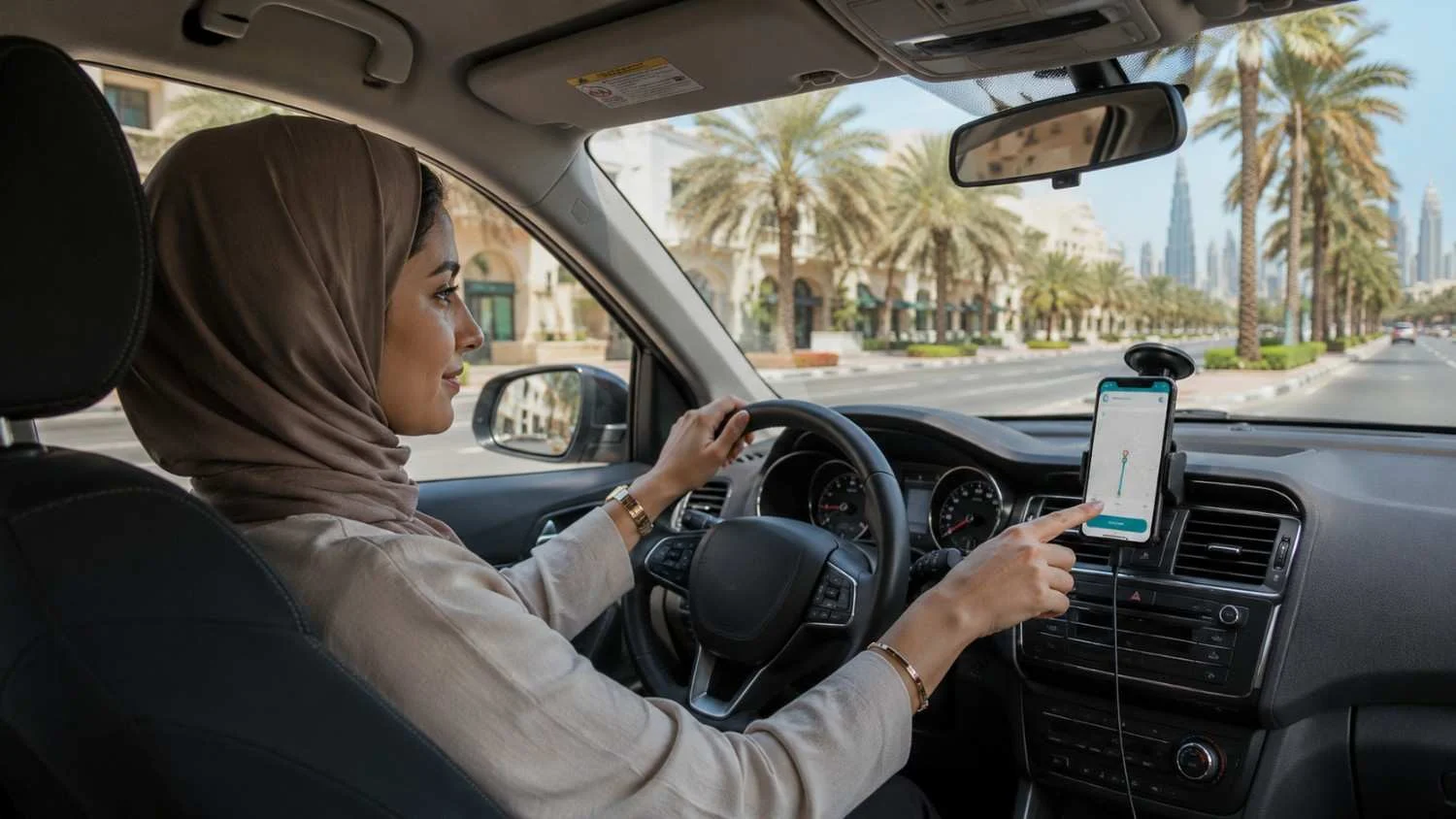
Ride-hailing income is a genuinely different situation from a salary certificate, and eligibility rules vary by provider — some accept consistent bank statements showing your ride-hailing earnings; others ask for a minimum guaranteed income or a formal income letter. Most Dubai-based drivers running their own car report net earnings somewhere in the AED 4,000–8,000/month range after fuel costs, which is often enough to meet minimum income requirements — but the exact threshold and documentation needed will depend on the specific provider’s policy. Always confirm the minimum salary/income requirement directly before applying, since this is one detail that genuinely differs company to company.
Rent-to-Own vs. Bank Loan vs. Monthly Rental
| Zero Down Payment Ownership Plan | Traditional Bank Car Loan | Monthly Car Rental | |
| Down payment | None | ~20% of car value | None (deposit may apply) |
| Credit check | Typically not required | Required | Not required |
| UAE credit history needed | No | Usually yes | No |
| Insurance & registration | Often bundled into payment | Paid separately by owner | Included |
| Maintenance | Often included/managed for you | Owner’s responsibility | Included |
| Do you end up owning the car? | Yes, eventually | Yes, after loan term | No |
| Best for | New residents, gig drivers, no credit history | Established residents with good credit | Short stays, testing the market |
What to Expect During the Process
While exact steps vary slightly by provider, here’s the general flow:
- Reach out and share your income situation — salary certificate, bank statements, or ride-hailing earnings history.
- Get matched with eligible vehicles based on your income and the minimum salary/monthly payment threshold.
- Inspect the car — reputable providers will let you bring your own mechanic or request a third-party inspection before committing.
- Review the agreement carefully, including what happens with traffic fines, Salik/toll charges, and accident costs — these are almost always the customer’s responsibility even when insurance is included.
- Sign, pay your first instalment, and drive. Registration and ownership transfer paperwork is usually handled on the provider’s side.
Before you sign anything, ask about: trade-in options if you already own a car, whether there’s a warranty on the specific vehicle, what the accident/service history disclosure looks like, and what happens if you need to end the agreement early.
Zero Down Payment Ownership: Pros and Cons
Pros
- No large upfront cost — start driving without draining your savings
- No UAE credit history required
- Predictable monthly payments, often with insurance and maintenance bundled in
- A realistic path to ownership for gig-economy drivers and new residents
Cons
- Total cost over time can be higher than a lump-sum purchase or low-interest bank loan
- You’re still responsible for fines, tolls, and damage costs
- Vehicle selection may be limited to available inventory
- Terms (minimum income, contract length, early-exit conditions) vary significantly by provider — read carefully
Frequently Asked Questions
Do I really need zero down payment to own a car in Dubai?
With select providers, yes — you can start a monthly ownership plan without an upfront lump sum. The trade-off is usually a minimum income requirement instead of a down payment, so confirm eligibility before assuming you qualify.
Can Careem or Uber drivers qualify for a zero down payment car plan?
Often yes, provided you can show consistent income — typically through bank statements or an income letter. Requirements differ by provider, so it’s worth asking specifically whether ride-hailing earnings alone are accepted.
Is there a credit check?
Most zero-down-payment ownership plans in Dubai skip the formal bank credit check that traditional auto loans require, which is a large part of their appeal for new residents.
What’s included in the monthly payment?
This varies, but many providers bundle registration and insurance into the plan. Maintenance coverage differs — always ask exactly what’s included versus what you’ll pay separately (fines, tolls, and accident excess are typically not included).
Can I trade in my current car?
Many dealers accept trade-ins as part of a used-car purchase or ownership plan — bring your car for an evaluation to get a quote.
How long until I fully own the car?
This depends entirely on the plan length and monthly payment amount you agree to. Ask for the total contract term and final payoff date in writing before signing.
What if I want to stop the plan early?
Early-exit terms vary widely by provider and should be spelt out in your agreement before you sign — this is one of the most important questions to ask upfront.
Ready to see what you’d qualify for? Chat with BV Car Dubai on WhatsApp for a same-day answer on eligibility, available vehicles, and monthly payment options.